From Past Wound to Present Parenting: An Analysis of Perfect Family
What is Trauma and Inter-generational trauma?
Trauma strikes as any disturbing experience that results in significant fear, helplessness, dissociation, confusion, or other disruptive feelings intense enough to have a long-lasting negative effect on a person’s attitudes, behavior, and other aspects of functioning.
Inter-generational trauma is the type of distress that is inherited across generations. The first generation witnesses traumatic events and then the mechanisms of trauma are passed down to the next generation via complex post-traumatic stress disorder
The Core Plot:
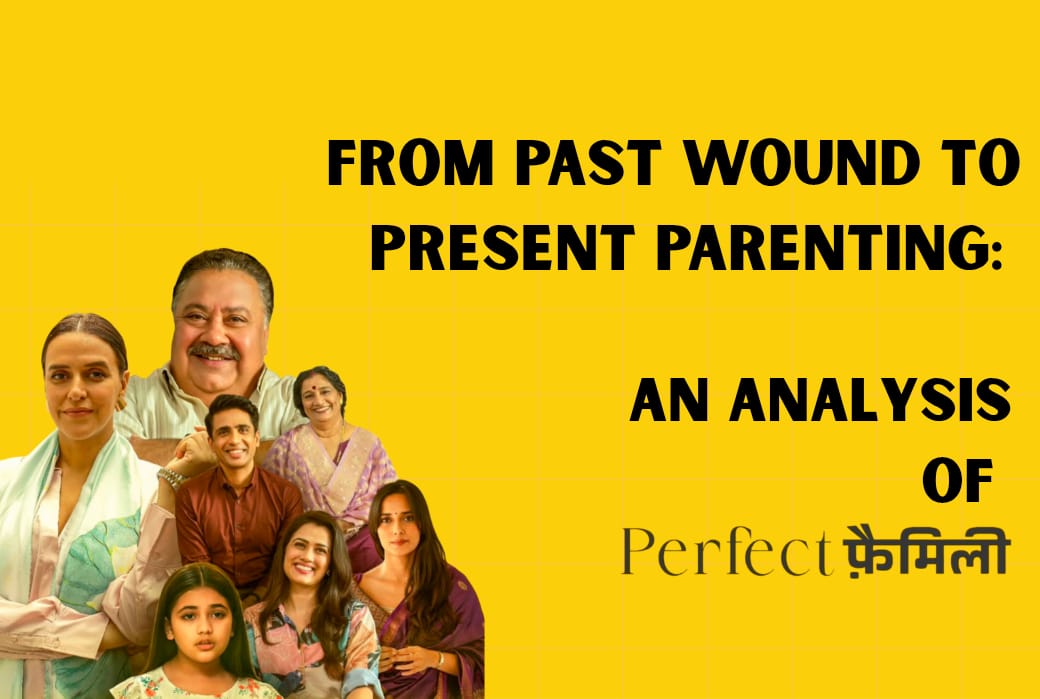
Enter Perfect Family, a web series by Pankaj Tripathi, that amazingly illustrates how unresolved parental traumas impact family dynamics by transferring emotional scars and anxieties from one generation to the other. This analysis, in the article shows treatment as a beginning point rather than a quick remedy, it has shown how therapy is a gradual journey, highlighting relevant tendencies in typical families for the general audiences.
The Karkaria family, a seemingly ideal Punjabi household, is the centre of Perfect Family, unraveling through therapy sessions which were sparked by young Daani’s anxiety. Flashbacks show the patriarchal control and anger resulting from his fears, which makes him despise himself and turn to unhealthy coping mechanisms like looking for approval from others. As a gendered norm, the women experience self-sacrifice, which breeds repressed emotions and relational tension, reflecting cycles in real life where past traumas represent present actions and behavior.
Fear Across Generations:
Emotional modeling is one way that intergenerational trauma spreads, when parents’ unresolved worries stemming from violence, loss, or instability change empathy and parenting. In the series, the mother’s anger heightens family animosity while the father’s authoritarianism instills fear of failure in his kids, resulting in a chaotic home that is concealed from the outside world. Audiences perceive this as a decreased trust and reflected instability: children absorb parent’s dysregulation, which causes anxiety without direct abuse.
Parenting patterns:
- The dad hides his own anxieties from a difficult childhood by sticking to old-school norms. His son’s confidence is wrecked as a result, and he becomes someone who avoids difficult decisions and merely gets by. Children learn to shrink themselves because they subconsciously fear failure, just like their father does.
- As her mother and sister did in their own unpleasant households, Neeti (the daughter-in-law) ends up making all the decisions because her husband remains passive.
- Pooja (the sister), under pressure from everyone to pretend everything is fine, puts herself into the family business to avoid her failing marriage. Staying “busy perfect” is a popular diversion that parents practice, hence the children instead of confronting their grief, learn to hide it beneath work or obligations.
These behaviors are a result of parents’ hidden traumas, such as grief or anger, which leak into their daily moods and reactions. Children absorb those patterns indirectly and perpetuate the cycle in their own parenting until someone pauses to notice.
Conclusion:
As Indian Parents today sip chai amid scrolling reels and school runs, Perfect Family on the other side reminds us that true perfection blooms from facing inherited shadows head-on.
In this situation, therapy is crucial because it provides a safe environment for releasing suppressed feelings and maladaptive behaviors, like self-sacrifice or rage, ending the cycle fostering stronger family ties. Benefits include improved coping mechanisms, less anxiety that is passed on to children, and normalized conversations about mental health that combine contemporary counseling with traditional practices like yoga for easily accessible recovery.
The show helps the general audience by de-stigmatizing therapy and presents it as a normal process instead of a sign of weakness, the show aids a wider audience by encouraging reflection and dialogue in middle class households, which in result promotes resilient parenting.